


Blog
Sublimation Oven Temperature and Time Chart for Mugs


Related Posts
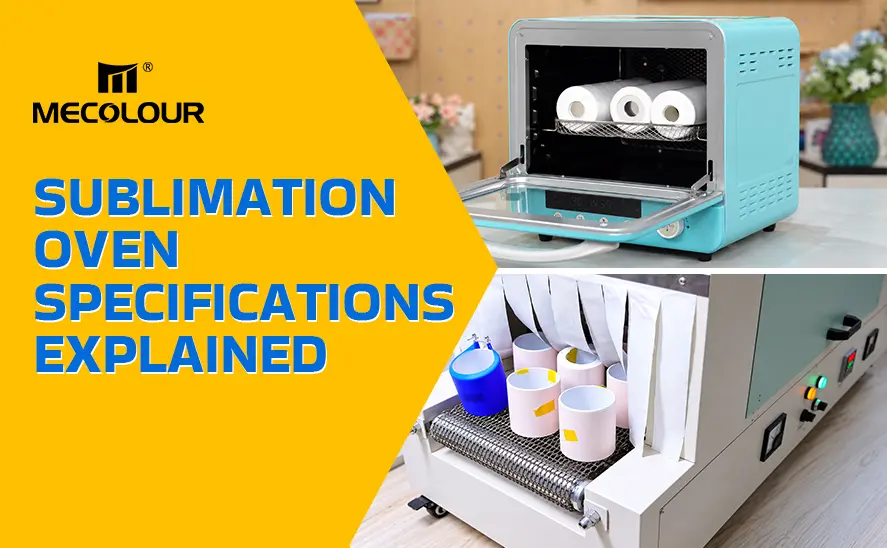
Sublimation Oven Specifications Explained

Understanding sublimation oven specifications helps printing businesses choose equipment for different products and production needs. K...
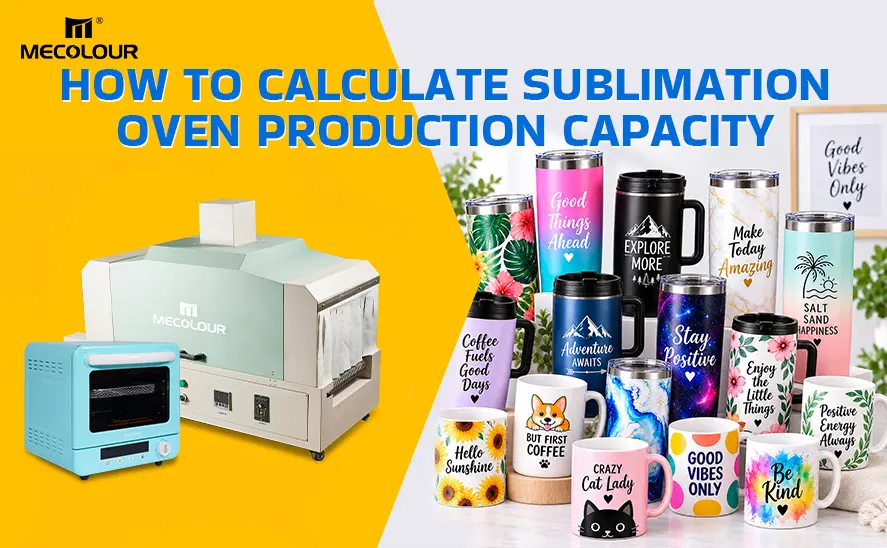
How to Calculate Sublimation Oven Production Capacity
For a sublimation business, production capacity should be calculated based on actual order requirements rather than oven size alone. Im...

How to Choose a Reliable Sublimation Oven Manufacturer
Finding a reliable sublimation oven manufacturer is essential for importers, wholesalers, distributors, and commercial printing busines...
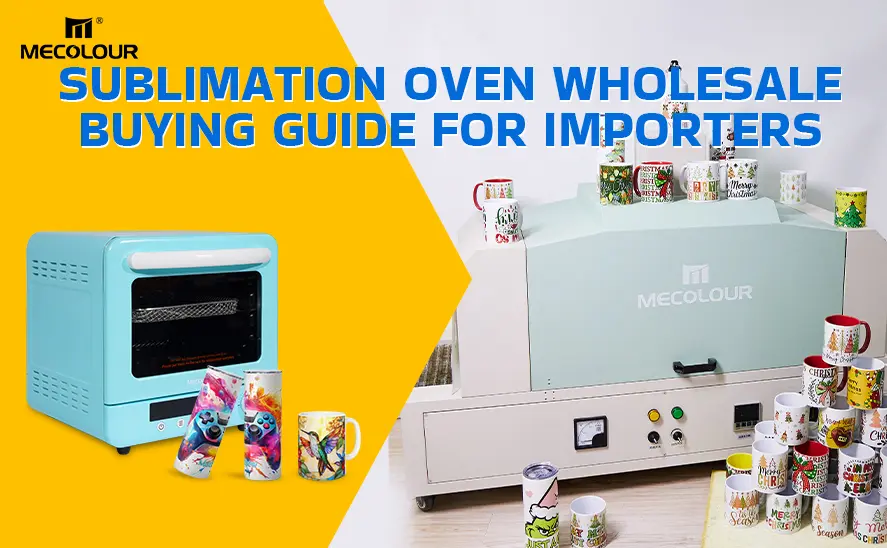
Sublimation Oven Wholesale Buying Guide for Importers
Choosing the right sublimation oven for wholesale purchase is different from choosing a machine for home use. Importers, wholesalers, d...
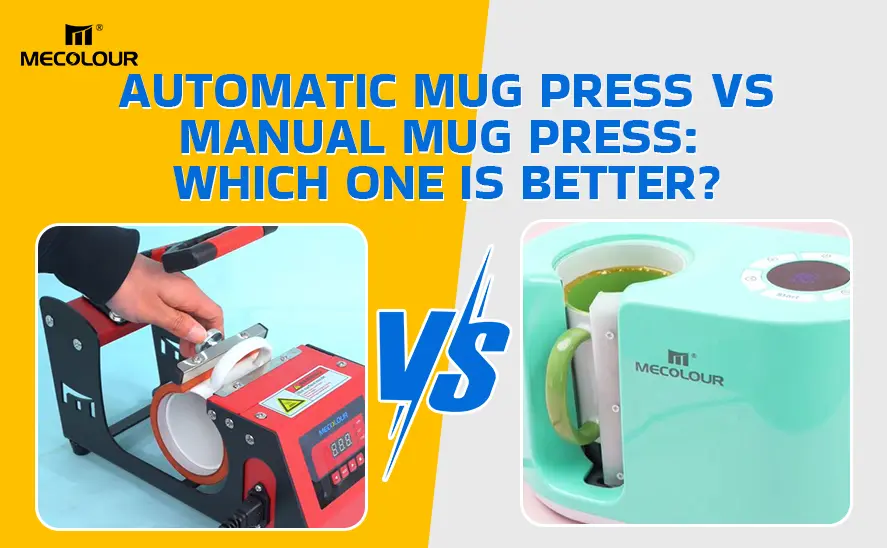
Automatic Mug Press vs Manual Mug Press: Which One Is Better?
Choosing between an automatic mug press and a manual mug press depends on your production volume, budget, workflow, and level of operat...
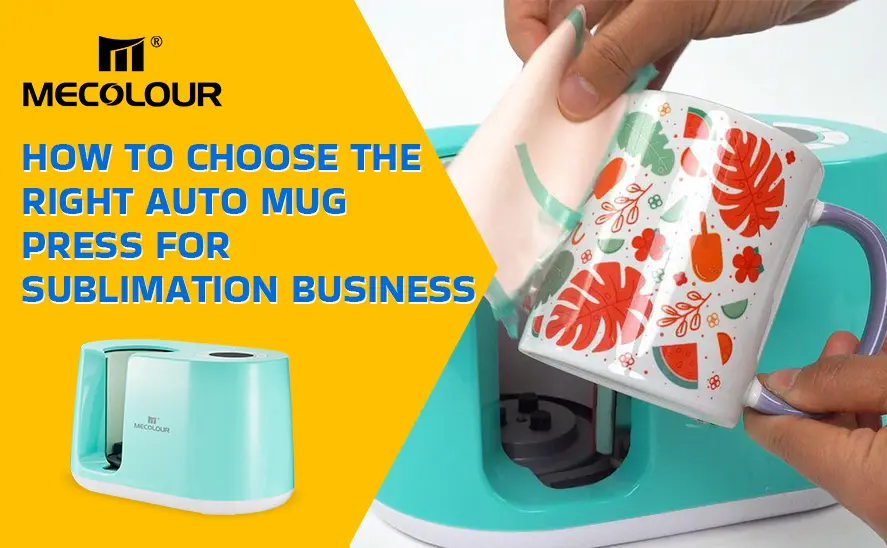
How to Choose the Right Auto Mug Press for Sublimation Business
Choosing an auto mug press machine requires more than comparing prices or maximum temperature. For a sublimation business, the right ma...

How to Get the Best Results from an Automatic Mug Press
Getting consistent results from a sublimation mug press requires more than selecting the correct temperature and pressing time. The qua...
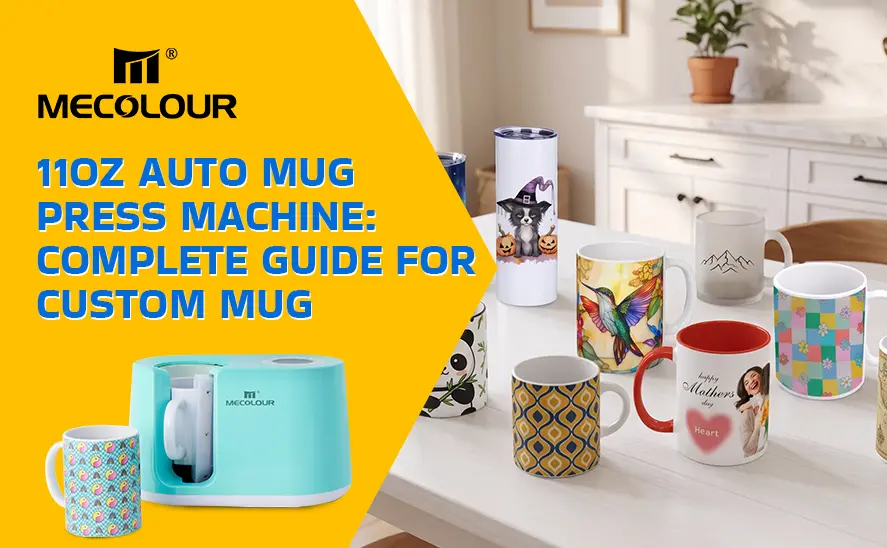
11oz Auto Mug Press Machine: Complete Guide for Custom Mug
The demand for personalized drinkware continues to grow as businesses and consumers look for unique, customized products. Whether you'r...

How to Choose the Right Combo Heat Press for Small Business
Among the most versatile tools available today, a combo heat press for small business stands out as an excellent investment. Designed t...
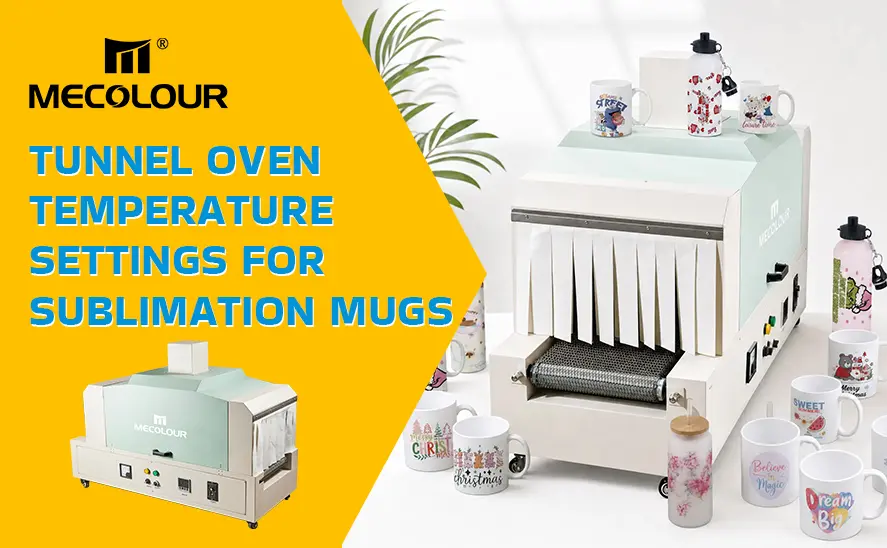
Tunnel Oven Temperature Settings for Perfect Sublimation Mugs
Achieving perfect sublimation mugs is not just about design and materials—it comes down to precise temperature control and consistent h...
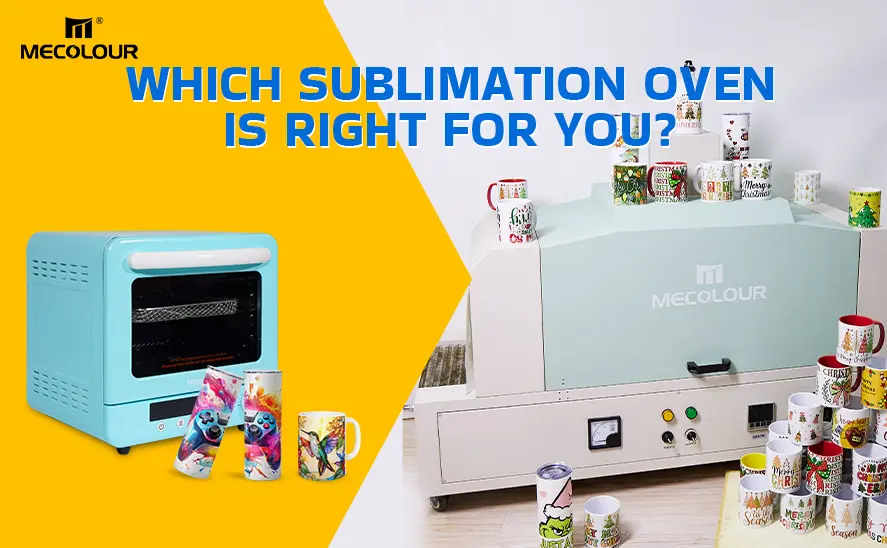
Which Sublimation Oven Is Right for You?
In today’s fast-growing customization industry, selecting the right sublimation oven is no longer a simple decision—it is a strategic i...
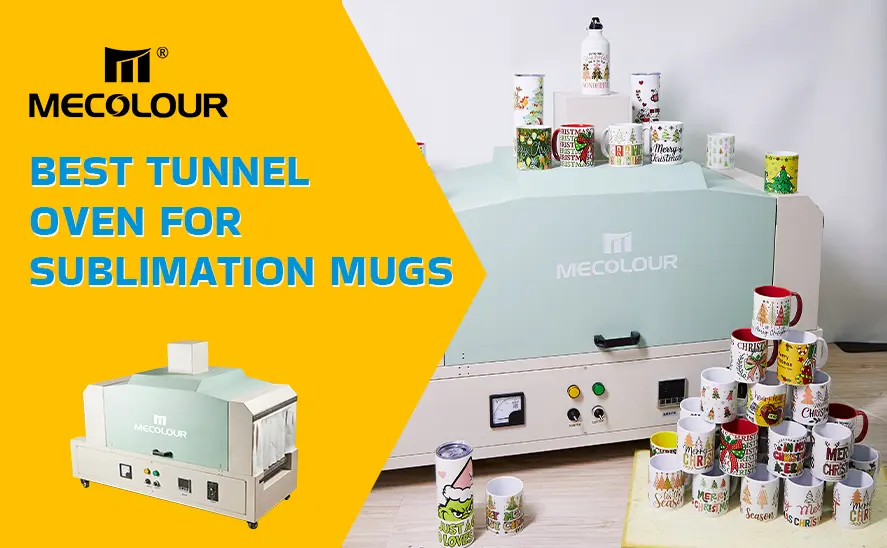
Best Tunnel Oven for Sublimation Mugs
Sublimation mug printing has become one of the most profitable sectors in the personalized gift, promotional products, and custom drink...