

Blog
Tunnel Oven Temperature Settings for Perfect Sublimation Mugs

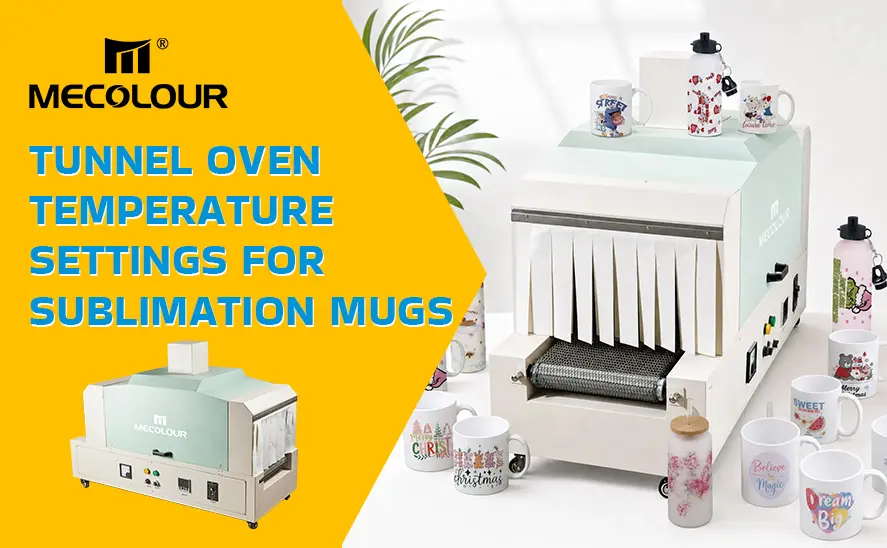
Achieving perfect sublimation mugs is not just about design and materials—it comes down to precise temperature control and consistent heating. For manufacturers, print shops, and bulk producers, using a tunnel oven for sublimation ensures uniform results, higher efficiency, and scalable production.
In this guide, we break down the ideal tunnel oven temperature settings, timing, and practical adjustments to help you produce vibrant, durable, and professional-quality mugs every time.
What Is a Tunnel Oven for Sublimation?
A tunnel oven is an industrial-grade heating system designed for continuous sublimation production. Unlike traditional mug presses, it allows multiple mugs to pass through a controlled heating chamber, ensuring:
- Consistent temperature distribution
- High-volume output
- Reduced labor costs
- Stable color transfer quality
For businesses scaling their sublimation operations, a tunnel oven is a game-changing solution.
Recommended Temperature Settings for Sublimation Mugs
For most sublimation mugs, the optimal temperature setting is:
- Temperature: 170°C – 180°C (338°F – 356°F)
- Time: 15 – 25 minutes (depending on oven length and speed)
These settings ensure the sublimation ink transitions into gas and bonds properly with the mug coating.
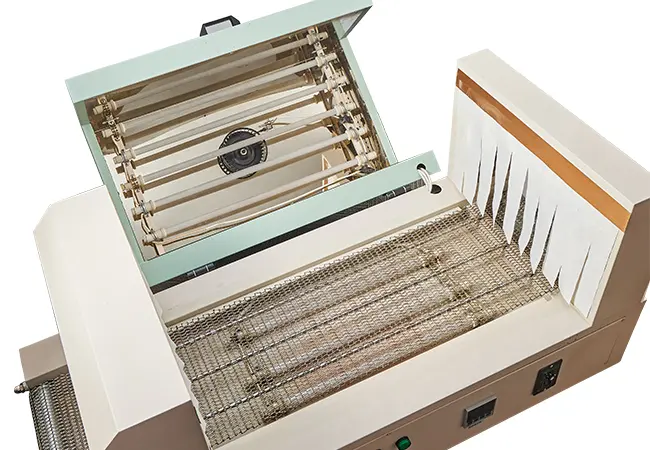
tunnel oven for mugs
Key Factors That Affect Temperature Settings
1. Mug Coating Quality
Not all sublimation mugs are created equal. High-quality coatings require:
- Slightly lower temperature
- More consistent heat exposure
Lower-quality coatings may need higher temperatures but risk fading or uneven transfer.
2. Paper and Ink Type
Different sublimation papers and inks respond differently to heat:
- Fast-release paper: Lower time required
- High-density ink: May require slightly higher temperature
3. Oven Airflow and Heat Distribution
Tunnel ovens rely heavily on hot air circulation. Poor airflow can cause:
- Uneven color transfer
- Shadowing or ghosting
- Inconsistent results across batches
4. Mug Placement and Rotation
- Ensure mugs are evenly spaced
- Avoid overcrowding
- Some systems include automatic rotation for better coverage
Optimal Tunnel Oven Settings (Quick Reference)
| Parameter | Recommended Setting |
|---|---|
| Temperature | 170°C – 180°C |
| Time | 15 – 25 minutes |
| Conveyor Speed | Adjust based on required dwell time |
| Mug Spacing | Even, non-touching |
| Air Circulation | Strong and consistent |
Step-by-Step Process for Perfect Sublimation Mugs
Step 1: Prepare the Mug
- Clean the surface
- Attach printed sublimation paper tightly
- Use heat-resistant tape
Step 2: Set the Tunnel Oven
- Preheat to the target temperature
- Allow stable internal heat before starting production
Step 3: Load the Mugs
- Place mugs evenly on the conveyor
- Ensure proper alignment
Step 4: Monitor the Process
- Check for consistent movement
- Avoid temperature fluctuations
Step 5: Cooling and Finishing
- Remove mugs carefully
- Allow natural cooling
- Peel off paper after cooling
Common Problems and How to Fix Them
1. Faded Colors
Cause:
- Low temperature or short heating time
Solution:
- Increase temperature slightly (5–10°C)
- Extend heating time
2. Blurry or Ghosting Images
Cause:
- Paper movement or uneven heat
Solution:
- Secure paper tightly
- Improve airflow consistency
3. Yellowing or Burn Marks
Cause:
- Overheating
Solution:
- Reduce temperature
- Shorten exposure time
4. Uneven Transfer
Cause:
- Poor heat distribution
Solution:
- Adjust mug spacing
- Check fan and airflow system
Advantages of Using a Tunnel Oven for Sublimation
1. High Production Efficiency
- Ideal for bulk mug printing
- Continuous workflow
2. Consistent Quality
- Eliminates pressure inconsistencies found in mug presses
3. Lower Labor Costs
- Less manual operation
- Automated process
4. Versatility
- Can handle different mug sizes and shapes
Pro Tips from a Manufacturer’s Perspective
- Always run test batches before mass production
- Maintain stable voltage and temperature calibration
- Use high-quality sublimation mugs and inks
- Clean the oven regularly to avoid contamination
- Monitor long production runs to prevent temperature drift
The key to flawless sublimation mugs lies in precision, consistency, and control. By setting your tunnel oven within the optimal range of 170°C to 180°C and carefully managing time, airflow, and materials, you can achieve vivid, durable, and professional-grade results.
For businesses aiming to scale, a tunnel oven for sublimation is not just equipment—it is a strategic investment in quality and efficiency.
Related:
What a Tunnel Oven for Sublimation Mugs Really Does
Tunnel Oven vs Mug Press Sublimation
Best Tunnel Oven for Sublimation Mugs