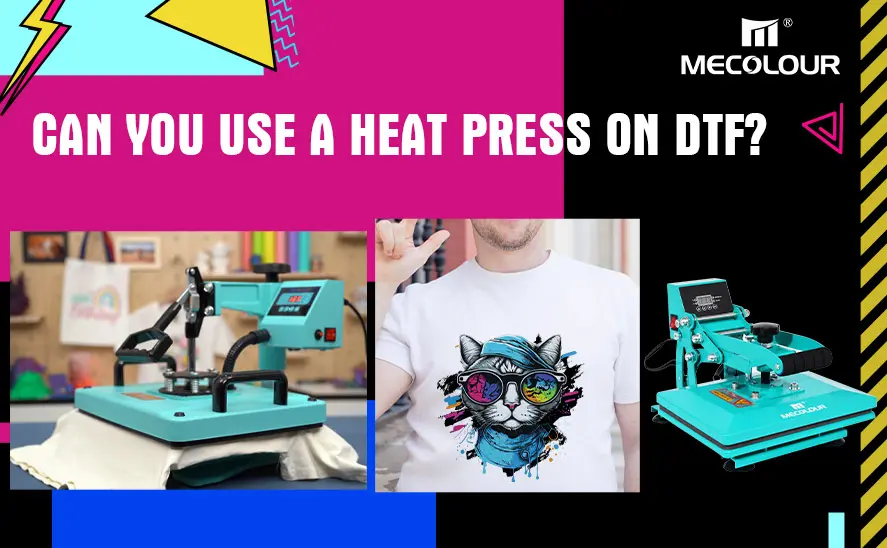
Direct-to-Film (DTF) printing has become one of the fastest-growing technologies in the custom apparel industry. It allows businesses to create vibrant, durable prints on a wide range of fabrics including cotton, polyester, blends, and even leather. However, one critical piece of equipment that ensures the quality and durability of DTF prints is the DTF oven.
In this guide, we explain what a DTF oven is used for, how it works, and why it is essential for DTF printing workflows.
What Is a DTF Oven?
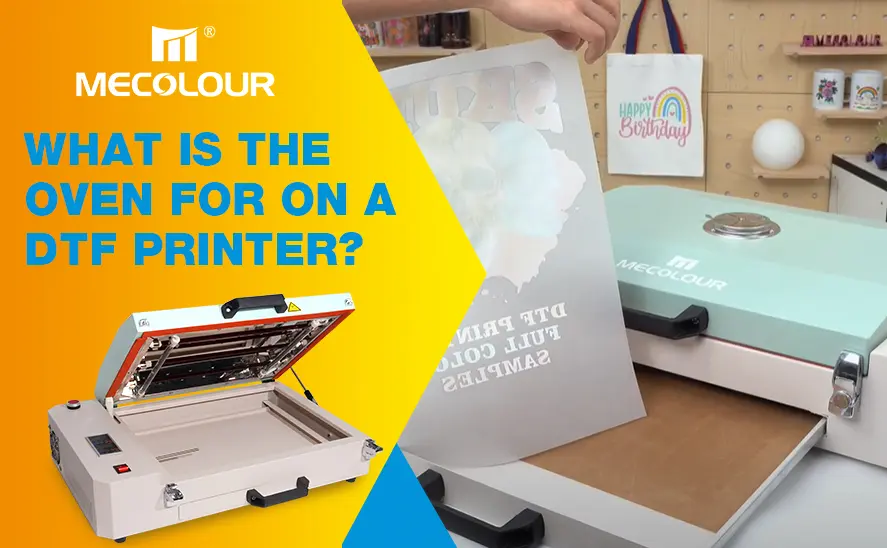
A DTF oven is a specialized heating device used to cure the adhesive powder applied to DTF transfer film. During the DTF printing process, a design is first printed onto PET transfer film using special textile inks. After printing, hot melt adhesive powder is applied to the wet ink.
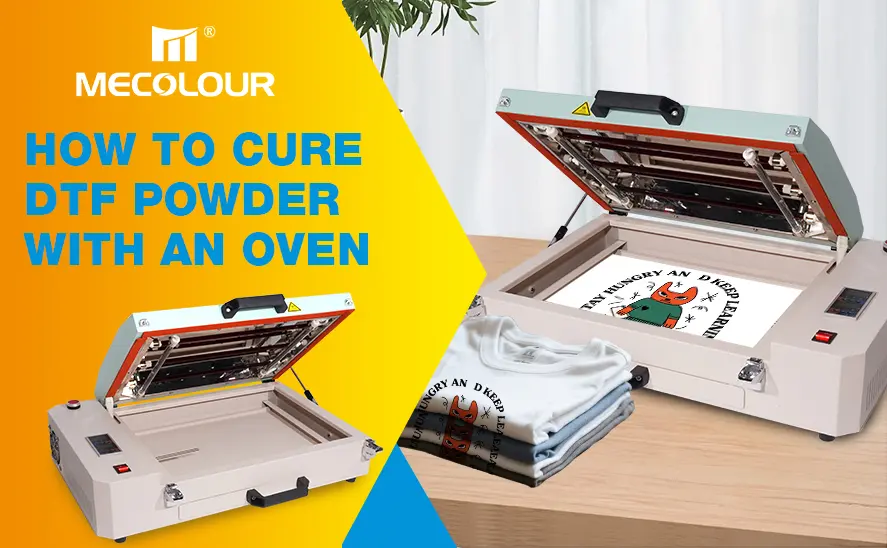
The DTF oven then heats the powder to a precise temperature so that it melts and bonds evenly to the printed ink layer. This process creates a ready-to-press transfer film that can be applied to garments using a heat press machine.
Without proper curing, the adhesive powder will not bond correctly, resulting in poor adhesion, cracking prints, or peeling after washing.
Main Purpose of a DTF Oven
The primary function of a DTF oven is to melt and cure the hot melt powder adhesive on the printed film.
Key purposes include:
Curing the adhesive powder evenly
Ensuring strong bonding between ink and fabric
Preventing powder from falling off the design
Improving wash durability of the print
Preparing the transfer film for heat pressing
A properly cured transfer sheet ensures that the final print is flexible, stretch-resistant, and long-lasting.
How It Works
The DTF curing process is simple but requires precise temperature control.
Step 1: Print the Design
A DTF printer prints the design onto PET transfer film using CMYK + white ink layers.
Step 2: Apply Adhesive Powder
Hot melt powder is evenly applied to the wet ink surface. The powder sticks only to the printed areas.
Step 3: Cure in the DTF Oven
The film is placed inside the DTF oven where the powder melts and bonds with the ink layer. Typical curing settings are:
Temperature: 110°C – 140°C
Time: 2 – 5 minutes
The powder transforms into a smooth adhesive layer, forming a flexible transfer sheet.
Step 4: Heat Press onto Fabric
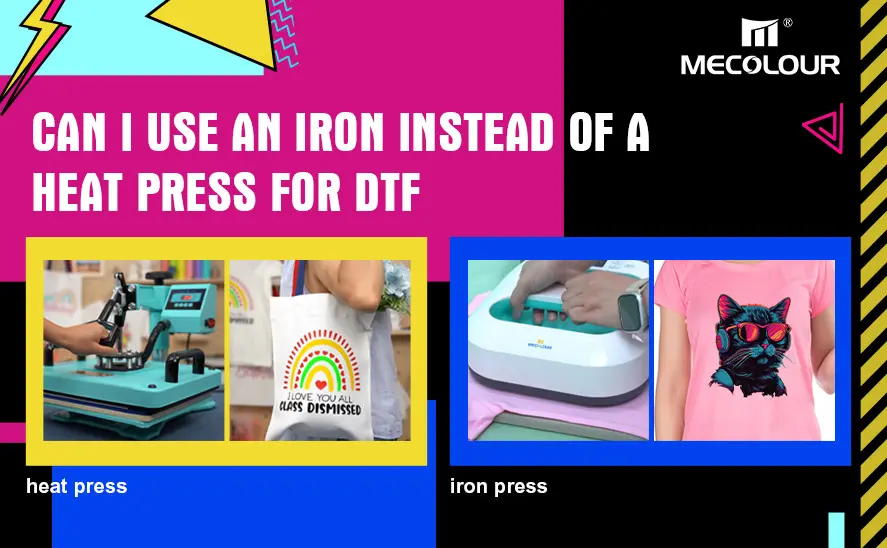
You place the cured transfer on the garment and press it with a heat press machine. The adhesive reactivates and permanently bonds the design to the fabric.
Advantages of Using a DTF Oven
Using a dedicated DTF curing oven provides several important benefits for garment printing businesses.
Improved Print Durability
Proper curing ensures that prints can withstand multiple washes without cracking or fading.
Better Adhesion
The adhesive layer bonds evenly with the fabric, resulting in stronger and longer-lasting prints.
DTF ovens help produce smooth, flexible transfers with consistent results.
Applications of DTF Printing
DTF printing is widely used across many customized product markets.
Common applications include:
Custom T-shirts
Hoodies
Sportswear
Tote bags
Caps
Work uniforms
Promotional apparel
Because DTF works on both light and dark fabrics, it has become a popular solution for print-on-demand businesses.
Who Needs a DTF Curing Oven?
A DTF oven is essential for anyone operating a DTF printing setup, including:
Custom apparel businesses
Print-on-demand stores
Promotional product companies
T-shirt printing shops
Small startup garment brands
Even for small-scale operations, a curing oven ensures consistent quality and reliable production.
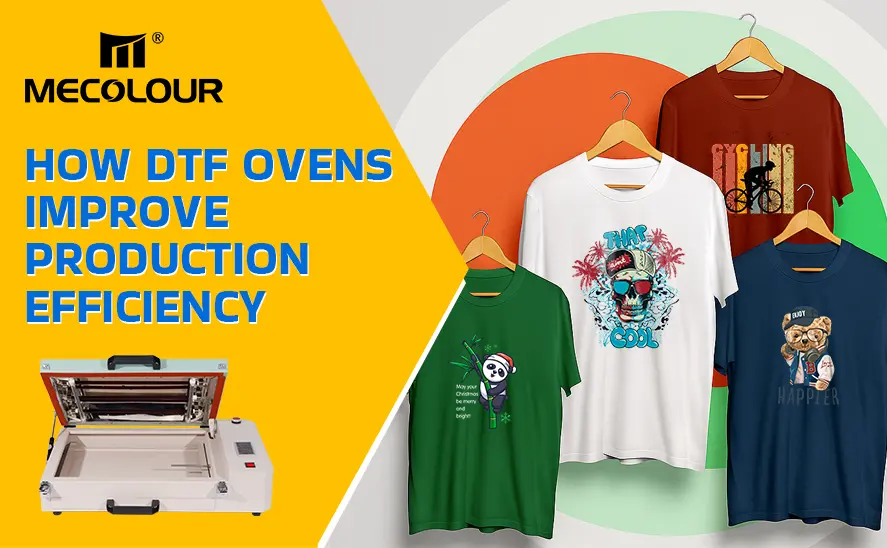
A DTF oven is a crucial component in the Direct-to-Film printing process. Its main purpose is to melt and cure the adhesive powder applied to the printed transfer film, preparing it for heat pressing onto garments.
By providing stable temperature control, uniform heating, and efficient curing, DTF ovens ensure high-quality prints that are durable, flexible, and resistant to washing.
For businesses entering the custom apparel market, investing in a reliable curing oven—such as an A3 DTF oven—helps create professional results and improves overall production efficiency.