

Blog
How Does a Double Wire Binding Machine Work?

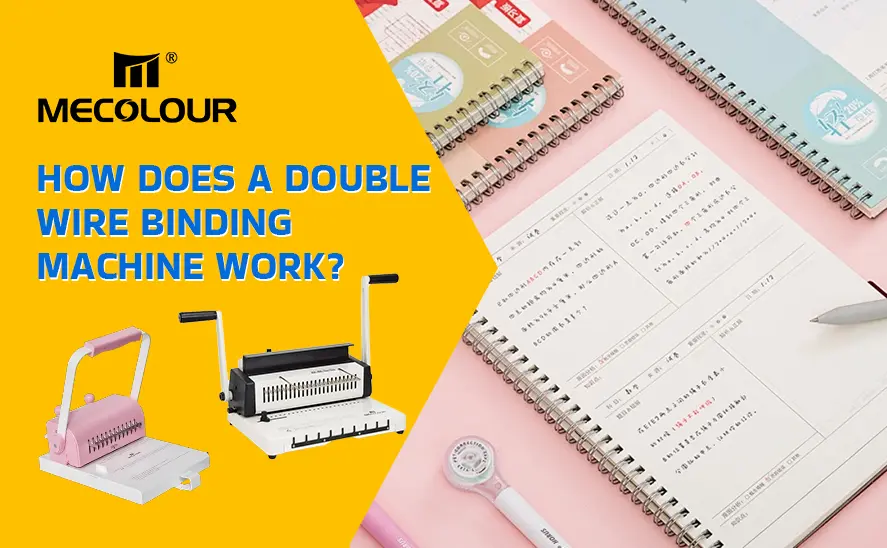
A double wire binding machine works by punching evenly spaced holes along the edge of paper sheets, inserting a pre-formed double-loop wire spine through the holes, and closing the wire to permanently secure the pages together. The machine combines two essential processes: paper punching and wire closing. The result is a professional document with a strong metal binding structure that allows pages to open flat and rotate 360 degrees.
Unlike plastic comb binding or spiral coil binding, a double wire binding machine uses a twin-loop metal wire (also called Wire-O binding) that creates a premium appearance and excellent durability. It is widely used for notebooks, calendars, manuals, reports, presentations, catalogs, training materials, and commercial printing applications.
For businesses, choosing the right machine depends on several factors, including punching capacity, binding capacity, hole pattern, manual or electric operation, document size, and production volume.
How Does a Double Wire Binding Machine Work?
A double wire binding machine operates through a simple but precise workflow:
Step 1: Paper Preparation
Before binding, printed pages, covers, and inserts are arranged in the correct order.
Common materials include:
- Office paper
- Photo paper
- Cardstock covers
- Presentation sheets
- Calendar pages
- Notebook paper
The paper stack is aligned carefully to ensure accurate punching.
Step 2: Punching the Binding Holes
The first function of the machine is creating holes along the binding edge.
The operator places the paper into the punching slot and activates the punching mechanism.
Depending on the model, punching can be:
- Manual lever operation
- Electric punching
- Foot pedal controlled
The punch pins create evenly spaced holes that match the double wire pitch.
Common wire binding pitches include:
| Pitch Type | Hole Spacing | Common Applications |
|---|---|---|
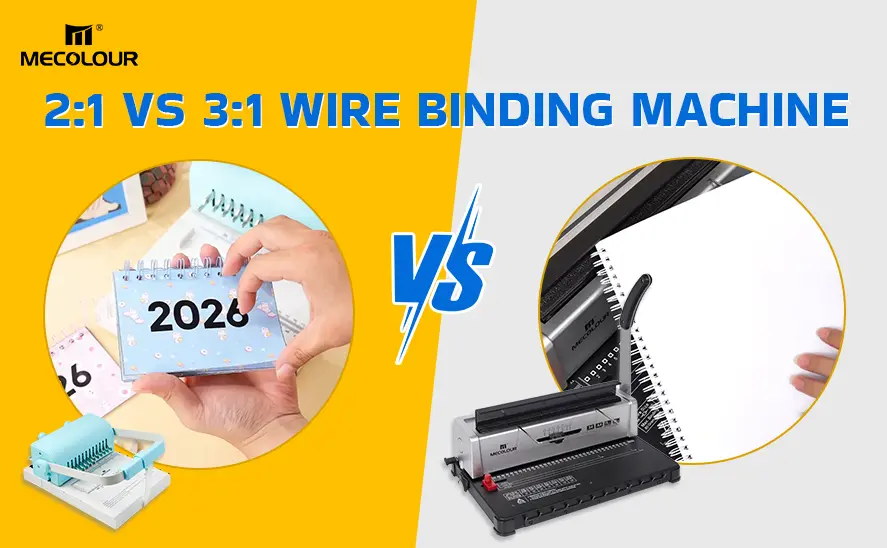
| 3:1 Wire Binding | 3 holes per inch | Small documents, notebooks |
| 2:1 Wire Binding | 2 holes per inch | Larger documents, calendars |
The hole pattern must match the wire size. Incorrect matching can cause poor page movement or damaged binding.
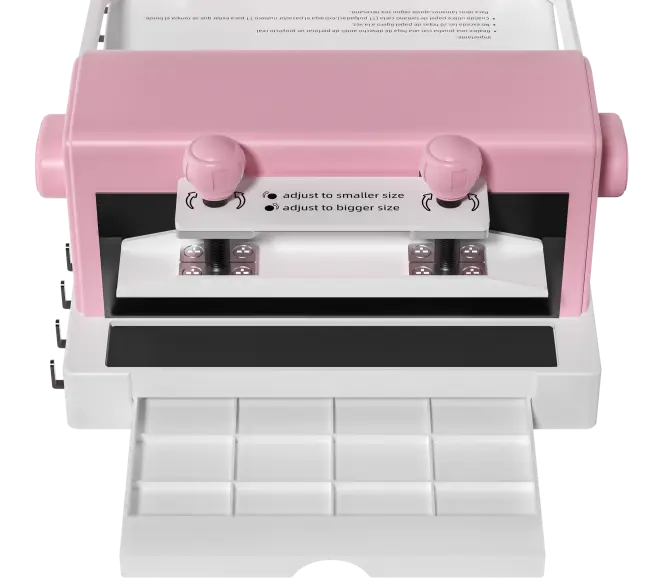
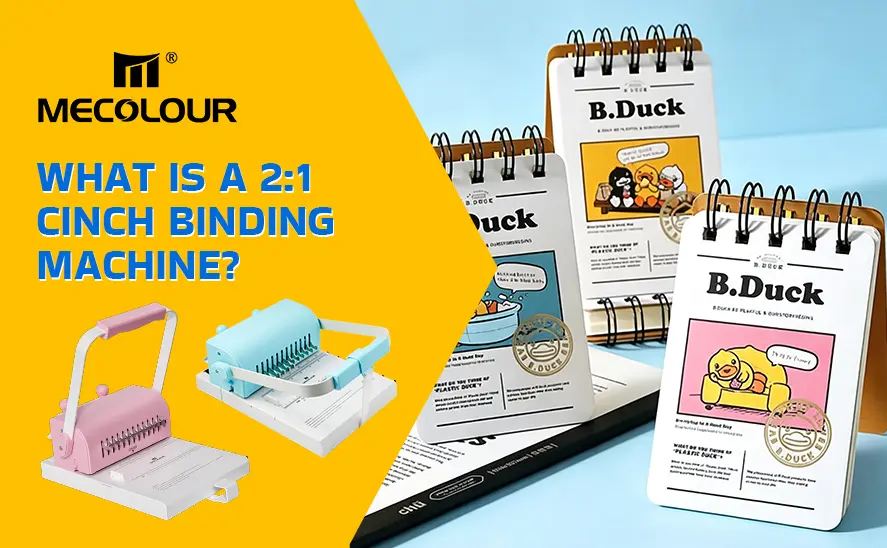
21 Binding Machine
Step 3: Selecting the Correct Double Wire Size
After punching, the correct wire diameter is selected according to the document thickness.
A larger wire diameter holds more pages.
Example:
| Wire Diameter | Approximate Capacity |
|---|---|
| 6.4mm | Small documents |
| 9.5mm | Medium documents |
| 12.7mm | Larger manuals |
| 19mm+ | Thick books and reports |
The binding capacity depends on both the wire diameter and paper thickness.
Choosing a wire that is too small may make pages difficult to turn, while oversized wire can create loose and unstable binding.
Step 4: Inserting the Double Wire Spine
The punched pages are placed onto the open double-loop wire.
The wire consists of multiple C-shaped loops that pass through the punched holes.
During insertion:
- The pages are aligned.
- The wire loops pass through each hole.
- Covers are positioned correctly.
- The document is ready for closing.
Step 5: Closing the Wire
The final step is closing the wire spine.
The machine compresses the open wire loops into a secure O-shape.
After closing:
- Pages stay firmly connected
- The document opens smoothly
- The spine maintains a professional appearance
A properly closed double wire binding should allow:
- 360-degree rotation
- Flat opening
- Comfortable page turning
Key Parameters of a Double Wire Binding Machine
When selecting a machine, understanding the specifications is essential.
| Parameter | Typical Range | Importance |
|---|---|---|
| Binding Type | Double Loop Wire / Wire-O | Determines binding style |
| Punch Capacity | 10–25 sheets per cycle | Affects production speed |
| Binding Capacity | 100–300 sheets | Determines document thickness |
| Hole Pattern | 2:1 or 3:1 | Must match wire type |
| Operation Type | Manual / Electric | Affects efficiency |
| Maximum Binding Width | A4, Letter, F4 | Determines document size |
| Margin Adjustment | 2.5–6.5mm | Improves binding quality |
| Number of Punch Pins | Fixed or selectable | Controls hole pattern |
| Machine Weight | 5–25kg | Indicates stability |
| Application | Office, school, print shop | Defines machine level |
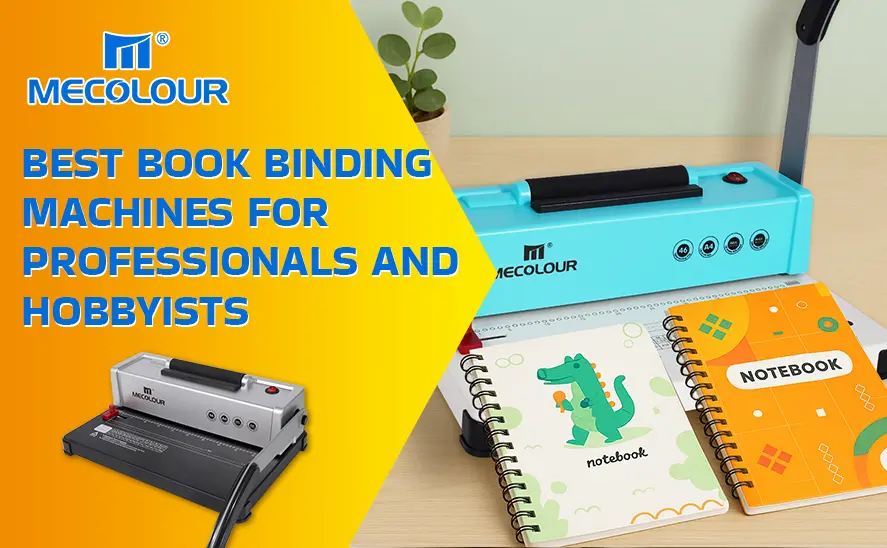
For example, the Mecolour Double Wire Electric Binding Machine with Drawer Knife provides a 20-sheet punching capacity, 140-sheet binding capacity, A4 binding width, and 23-hole 2:1 wire configuration, making it suitable for office and commercial document finishing.
Main Types of Double Wire Binding Machines
1. Manual Double Wire Binding Machine
Manual machines use a hand lever for punching.
Advantages:
- Lower cost
- Simple operation
- No electricity required
- Suitable for small offices
Applications:
- Home businesses
- Schools
- Small print shops
- Occasional document binding
Recommended for users with low daily production volume.
2. Electric Double Wire Binding Machine
Electric models use a motorized punching system.
Advantages:
- Faster operation
- Reduced operator fatigue
- More consistent punching
- Suitable for higher production
Applications:
- Commercial printing companies
- Copy centers
- Large offices
- Professional binding services
Electric machines are especially valuable when hundreds of documents need to be processed regularly.
3. Multi-Function Wire Binding Machine
Some advanced models combine:
- 2:1 wire binding
- 3:1 wire binding
- Adjustable margins
- Electric punching
- Wire closing
These machines provide greater flexibility for different document sizes.
Applications of Double Wire Binding Machines
1. Notebook Manufacturing
Double wire binding is widely used for:
- School notebooks
- Business notebooks
- Journals
- Planners
Advantages:
- Premium appearance
- Durable structure
- Easy page turning
Custom notebook manufacturers often choose wire binding because customers prefer the professional look and practical usability.
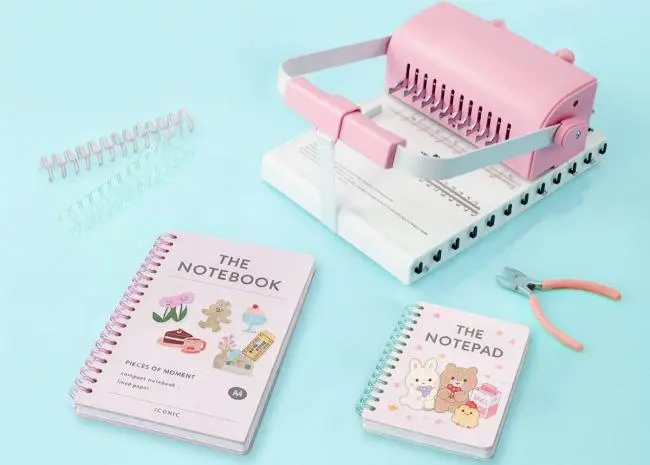
21 Cinch Binding Machine
2. Calendar Production
Calendars are one of the most common applications.
Double wire binding allows:
- Pages to turn smoothly
- Calendar pages to hang flat
- Professional finishing
Typical products include:
- Wall calendars
- Desk calendars
- Promotional calendars
3. Corporate Reports and Presentations
Businesses use double wire binding for:
- Annual reports
- Marketing proposals
- Training manuals
- Product catalogs
The metal wire creates a high-end appearance compared with plastic binding solutions.
4. Educational Materials
Schools and training organizations use wire binding machines for:
- Course materials
- Study guides
- Teacher manuals
- Student workbooks
The ability to open pages completely flat improves usability.
5. Print Shops and Copy Centers
Professional printing businesses use double wire binding machines for customer projects including:
- Thesis binding
- Restaurant menus
- Instruction manuals
- Product catalogs
- Event documents
Advantages of Double Wire Binding
Professional Appearance
Double wire creates a premium finished look suitable for business and retail products.
Strong Durability
Metal wire provides better structural strength compared with many plastic alternatives.
Flat Opening Design
Documents can lay completely flat, making reading and writing easier.
360-Degree Rotation
Pages can rotate around the spine, which is useful for notebooks and calendars.
Suitable for Custom Products
Wire binding works well for personalized products such as:
- Custom notebooks
- Photo albums
- Planners
- Calendars
How to Choose the Right Double Wire Binding Machine
Choosing the correct machine depends on your business requirements.
1. Consider Your Daily Production Volume
Low Volume
Recommended:
- Manual machine
- 10–15 sheet punching capacity
Suitable for:
- Home offices
- Schools
- Small businesses
Medium Volume
Recommended:
- Heavy-duty manual
- Semi-electric machine
Suitable for:
- Copy shops
- Training centers
- Small manufacturers
High Volume
Recommended:
- Electric punching machine
- Commercial-grade equipment
Suitable for:
- Printing companies
- Notebook factories
- Professional production lines
2. Check Punching Capacity
Punching capacity determines how many sheets can be processed in one operation.
A machine rated for 20 sheets may not always be best operated at the maximum limit. Working below the maximum rating often provides cleaner holes and longer machine life.
Consider:
- Average document thickness
- Paper weight
- Daily workload
3. Select the Correct Hole Pattern
Choose according to your wire supply.
3:1 Wire
Best for:
- Small notebooks
- Thin documents
2:1 Wire
Best for:
- Calendars
- Thick manuals
- Large documents
Make sure the machine and wire match before purchasing.
4. Manual vs Electric Selection
Choose manual if:
- Production is limited
- Budget is important
- Portability matters
Choose electric if:
- Production volume is high
- Operator efficiency matters
- Consistency is important
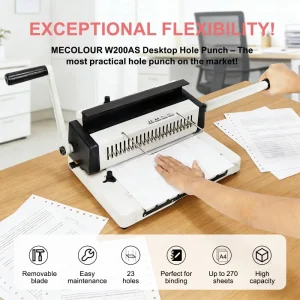
Double Wire Electric Binding Machine-4
5. Consider Additional Features
Professional users may need:
Adjustable Margin Depth
Allows adjustment based on document thickness.
Disengageable Punch Pins
Helps customize hole patterns for different paper sizes.
Waste Drawer
Collects punched paper waste and keeps the workspace clean.
Built-In Wire Closer
Improves workflow by combining punching and closing functions.
Recommended Double Wire Binding Machine Solutions
For different applications, users can select from several machine types:
Small Office and DIY Users
Recommended:
- Compact manual double wire binding machines
- Lightweight A4 models
Example applications:
- Personal notebooks
- Small reports
- School projects
Office Users
Recommended:
- A4 wire binding machines
- 15–20 sheet punching capacity
- 100+ sheet binding capacity
Suitable for:
- Presentations
- Training documents
- Reports
Commercial Users
Recommended:
- Electric double wire binding machines
- Higher punching capacity
- Integrated wire closing systems
Suitable for:
- Print shops
- Professional book production
- Bulk orders
The Mecolour product range includes solutions such as mini double coil binding machines, 46-hole wire binding machines, 34-hole wire binding machines, manual book binding machines, and double wire electric binding machines with drawer knife to meet different production requirements.
A double wire binding machine works through a simple but highly effective process: punching holes, inserting double-loop wire, and closing the wire to create a durable professional document finish.
With advantages including flat opening, 360-degree rotation, premium appearance, and strong durability, double wire binding has become a popular solution for notebooks, calendars, manuals, reports, and commercial printing applications.
Selecting the right machine ensures better workflow, lower operating costs, and consistent professional results for every binding project.
Related:
Best Book Binding Machines for Professionals and Hobbyists
Best Mini Binding Machine for Smart Buyers
What is a 2:1 Cinch Binding Machine?
2:1 vs 3:1 Wire Binding Machine